Are Tin Containers Food Safe for Manufacturers in 2026?

Introduction
Food safety is no longer just a compliance issue.
It is a promise made to consumers, retailers, and regulators alike.
As food brands face tighter regulations and rising sustainability expectations in 2026, many manufacturers are asking an important question. Are tin containers truly food-safe for modern food applications?
This article explores that question with care and clarity.
It is written for food manufacturers, packaging buyers, and brand owners who want reliable information without technical overload.
Understanding Food Safety in Packaging
Food-safe packaging means more than avoiding contamination.
It is about preserving quality from factory to fork.
A food-safe container must protect against chemical migration, bacteria, moisture, light, and physical damage while remaining stable throughout its lifecycle.
In recent years, regulators across the USA and global markets have raised standards for packaging materials.
This shift has brought renewed attention to metal packaging, particularly tin containers.
What Are Tin Containers Made Of?
Tin containers used for food are typically made from tin plate.
This is a thin sheet of steel coated with a layer of tin.
The tin coating acts as a protective barrier.
It prevents corrosion and stops direct contact between food and steel.
Key characteristics of tin plate include:
-
Non-toxic and food-grade when manufactured correctly
-
Resistant to corrosion and chemical reactions
-
Suitable for both dry and certain processed foods
This material structure is one reason Gift Tin Manufacturers remain relevant across food and confectionery sectors.
Are Tin Containers Food-Safe in 2026?
Yes, tin containers are considered food-safe when produced according to recognised standards.
Their safety profile is well documented and widely accepted.
Tin packaging complies with major food contact regulations such as:
-
FDA food contact material guidelines in the USA
-
EU food safety directives
-
Global ISO quality and hygiene standards
Modern tin manufacturing also uses food-safe lacquers where required.
These coatings add an extra layer of protection without affecting taste or aroma.
Why Food Manufacturers Trust Tin Packaging
Food manufacturers value predictability and consistency.
Tin containers offer both.
They provide a stable environment that helps preserve food quality throughout storage and transport.
This is especially important for products with longer shelf-life expectations.
Common benefits include:
-
Protection from UV rays that can degrade food
-
Barrier against moisture and oxygen
-
Reduced risk of bacterial contamination
-
Strong physical protection during handling
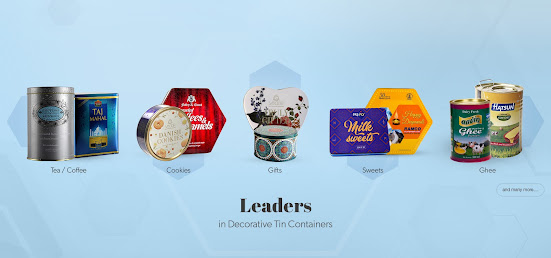
These advantages explain why tin containers are used for tea, coffee, spices, confectionery, bakery items, and specialty foods.
Shelf Life and Product Integrity
Shelf life is a key concern in 2026.
Retailers expect products to stay fresh longer with minimal preservatives.
Tin containers help achieve this naturally.
Their airtight structure limits exposure to external elements.
For food manufacturers, this means:
-
Better aroma and flavour retention
-
Less reliance on chemical preservatives
-
More consistent product quality across batches
This aligns well with clean-label trends and consumer demand for minimally processed foods.
Sustainability and Food Safety Go Together
Sustainability is now inseparable from food safety.
Consumers associate responsible packaging with trustworthy brands.
Tin plate packaging stands out as one of the most recyclable materials available.
It can be recycled repeatedly without losing its core properties.
From a food safety perspective, this is important because recycled tin plate maintains structural integrity.
It does not introduce new risks when processed through proper recycling systems.
Many Gift Tin Manufacturers highlight this circular advantage as part of responsible packaging practices.
Addressing Common Food Manufacturer Concerns
Food manufacturers often raise practical questions before switching packaging materials.
Here are some common considerations.
-
Does tin affect taste?
Properly coated tin containers do not alter taste or aroma. -
Is tin suitable for export markets?
Yes, tin containers perform well during long-distance shipping. -
Are tin containers tamper-resistant?
They offer strong protection against pilferage and tampering. -
Can branding be applied safely?
Tin supports high-quality printing without compromising food safety.
These factors make tin containers a balanced choice for both safety and marketing.
The Role of Manufacturing Quality
Food safety depends heavily on manufacturing practices.
Material alone is not enough.
Reputable manufacturers follow strict quality controls, hygiene protocols, and traceability systems.
This ensures that every container meets food-grade requirements.
In 2026, food brands increasingly prefer suppliers who demonstrate experience, transparency, and compliance rather than price alone.
Conclusion
Food safety in 2026 demands materials that protect, preserve, and reassure.
Tin containers continue to meet these expectations with confidence.
They offer a proven balance of safety, durability, sustainability, and brand appeal.
For food manufacturers seeking dependable packaging solutions, tin remains a thoughtful and future-ready option.
Nikita Containers, founded in 1993 in Umbergaon, Gujarat, has grown from a small aluminium tube manufacturer to a global supplier of high-quality metal containers, catering to diverse industries including food, confectionery, cosmetics, and custom packaging. With eco-friendly, recyclable tin plate solutions offering durability, safety, and premium appeal, the company continues to uphold its mission of delivering excellence, trust, and innovation while contributing to sustainable packaging worldwide.
This approach supports long-term brand protection.
Frequently Asked Questions(FAQs):
Are tin containers safe for direct food contact?
Yes, when manufactured with food-grade tin plate and approved coatings, they are safe for direct contact.
Can tin containers be used for acidic foods?
Certain acidic foods require specialised internal coatings to prevent interaction. Manufacturers usually specify suitable applications.
Do tin containers meet US food safety regulations?
Most high-quality tin containers comply with FDA guidelines and international food safety standards.
Are tin containers environmentally responsible?
Tin plate is highly recyclable and supports circular economy goals while maintaining food safety.

Comments
Post a Comment