Choosing the Right Tin Plate Packaging Manufacturer 2026

Introduction
Choosing the right Tin Plate Packaging manufacturer in 2026 is not just a sourcing decision.
It is a long-term partnership that impacts product safety, brand trust, sustainability goals, and operational stability.
Buyers today are more informed, more cautious, and more values-driven than ever before.
They look beyond price and ask deeper questions about material integrity, compliance, environmental impact, and consistency of supply.
This guide is written from real industry conversations, shared experiences, and buyer concerns.
It aims to help procurement teams, brand owners, and decision-makers choose wisely and confidently.
Understanding What Tin Plate Packaging Really Offers
Tin plate packaging has remained relevant because it solves practical problems reliably.
It protects contents while maintaining visual appeal and environmental responsibility.
At its core, tin plate packaging is steel coated with tin, making it strong, non-toxic, and corrosion-resistant.
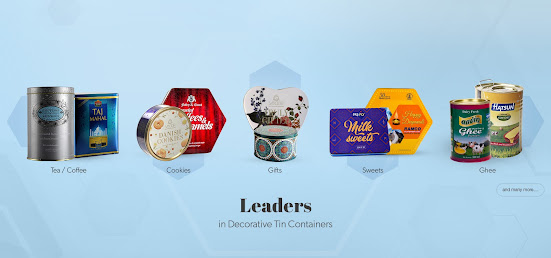
This combination makes it suitable for food, confectionery, cosmetics, and speciality products.
Key advantages buyers value include:
-
Longer shelf life without chemical preservatives
-
Strong protection from light, air, and moisture
-
Excellent aroma and flavour retention
-
Resistance to bacterial contamination
-
Tamper resistance and pilfer safety
-
High-quality surface for premium printing
These benefits explain why tin continues to earn trust across generations and markets.
What Buyers Should Look for in a Manufacturer
A reliable manufacturer does more than produce containers.
They support your product journey from concept to shelf.
When evaluating options, consider these essential factors carefully.
1. Material Quality and Food Safety Standards
Material consistency is non-negotiable.
Tin plate packaging must meet food-grade and safety standards across markets.
Ask about:
-
Source and grade of tin plate used
-
Compliance with FDA, EU, or other international norms
-
Quality testing processes at each production stage
Transparent answers reflect experience and accountability.
2. Manufacturing Capability and Consistency
Capacity matters as much as craftsmanship.
A good manufacturer scales without compromising quality.
Look for signs of operational maturity:
-
Modern tooling and controlled processes
-
Skilled workforce with long-term retention
-
Stable production volumes and lead times
Consistency builds trust, especially for repeat orders and export markets.
3. Customisation and Design Support
Packaging today is a brand ambassador.
Buyers value manufacturers who understand design as well as durability.
Helpful partners often provide:
-
Custom sizes and shapes
-
Advanced print finishes and colour accuracy
-
Practical guidance on artwork and embossing
These services simplify development and reduce costly revisions.
Sustainability Is No Longer Optional
Sustainability is no longer a marketing add-on.
It is a procurement requirement and a brand expectation.
Tin plate packaging supports circular economy goals naturally.
It is one of the most recycled materials worldwide and retains quality through multiple recycling cycles.
When reviewing a manufacturer, explore:
-
Use of recyclable and responsibly sourced materials
-
Waste reduction and energy efficiency practices
-
Commitment to long-term environmental responsibility
Genuine sustainability shows up in systems, not slogans.
Evaluating Reliability Beyond the Product
Packaging failures rarely happen at the factory alone.
They often occur during transport, storage, or handling.
A dependable manufacturer anticipates these challenges.
They design containers that perform across real-world conditions.
Consider asking about:
-
Durability testing for transit and stacking
-
Experience with export packaging requirements
-
Support during audits or compliance checks
Reliability is built through experience, not promises.
Cost Versus Value in 2026
Buyers are under constant pressure to optimise costs.
However, packaging decisions should focus on value rather than unit price alone.
Low-cost packaging can lead to:
-
Product spoilage
-
Higher returns or complaints
-
Damage to brand reputation
Tin plate packaging often delivers long-term savings by reducing risk and waste.
The right manufacturer helps you see this bigger picture.
Questions Worth Asking Before Finalising a Supplier
Shortlists become clearer when questions are thoughtful.
These conversations often reveal the true nature of a partnership.
Useful questions include:
-
How do you ensure batch-to-batch consistency
-
What support do you offer after delivery
-
How do you handle quality issues if they arise
Clear, calm answers signal confidence and care.
Conclusion
Choosing the right tin plate packaging manufacturer in 2026 is about trust, experience, and shared values.
It requires balancing safety, sustainability, design, and operational reliability.
Over the decades, companies such as Nikita Containers have demonstrated how this balance can be achieved responsibly.
Founded in 1993 in Umbergaon, Gujarat, the organisation evolved from a small aluminium tube manufacturer into a global supplier of high-quality metal containers.
Serving food, confectionery, cosmetics, and custom packaging sectors, it reflects how eco-friendly, recyclable tin plate solutions can offer durability, safety, and premium appeal.
By focusing on excellence, trust, and innovation, such manufacturers continue contributing meaningfully to sustainable packaging worldwide.
Frequently Asked Questions(FAQs):
What industries benefit most from tin plate packaging?
Food, confectionery, cosmetics, and speciality goods benefit due to safety, shelf life, and premium presentation.
Is tin plate packaging suitable for export markets?
Yes, it meets international safety standards and withstands long-distance logistics well.
How sustainable is tin plate packaging compared to alternatives?
It is highly recyclable, durable, and retains material properties through repeated recycling.
Can tin containers be customised without high minimum orders?
Many manufacturers offer flexible customisation depending on tooling and design complexity.

Comments
Post a Comment