How Tin Plate Packaging Extends Shelf Life Naturally

Introduction
Preserving product freshness without relying on chemicals or additives has become a shared concern across the food, confectionery, and personal care sectors. Brands are under pressure to protect quality while meeting rising expectations around safety, transparency, and sustainability. Packaging is no longer just a container. It plays an active role in how long a product remains usable and trustworthy.
Tin plate packaging has quietly earned a reputation for doing exactly that. Through its physical and material properties, it helps extend shelf life naturally, offering reassurance to both manufacturers and end users. For many Tin Packaging Manufacturers, this balance between protection and purity has become central to responsible packaging design.
Understanding Shelf Life Beyond Preservatives
Shelf life is often associated with ingredients added inside the product. In reality, packaging is just as important. Exposure to air, light, moisture, and bacteria can degrade food and other sensitive goods long before their intended expiry date.
Tin plate acts as a passive guardian. Instead of altering the product, it controls the environment around it. This approach aligns well with clean label trends and growing consumer awareness about what should and should not come into contact with everyday products.
The Natural Protective Qualities of Tin Plate
Tin plate is made by coating steel with a thin layer of tin, creating a material that is strong, stable, and food safe. This combination allows it to protect contents without the need for chemical intervention.
Key natural properties include:
-
An excellent barrier against oxygen, which slows oxidation
-
Complete protection from light that can degrade colour and nutrients
-
Resistance to moisture that prevents spoilage and mould
-
A smooth, non toxic surface suitable for direct food contact
Each of these qualities contributes to a longer shelf life while keeping the product formulation unchanged.
Blocking Oxygen Without Additives
Oxygen is one of the main causes of food deterioration. It triggers oxidation, leading to loss of flavour, aroma, and nutritional value. Tin plate packaging provides an airtight seal that significantly limits oxygen exposure.
Once sealed, the container maintains a stable internal environment. This helps preserve taste and texture naturally, which is particularly important for products such as biscuits, spices, coffee, and confectionery. Many Tin Packaging Manufacturers design closures with this precise purpose in mind.
Protection From Light and UV Exposure
Light, especially ultraviolet light, can cause gradual but irreversible damage to many products. Oils can turn rancid, colours can fade, and sensitive ingredients can lose effectiveness.
Tin plate containers are opaque by nature. They block light completely, offering a level of protection that transparent or semi transparent materials cannot match. This makes them especially suitable for products that require consistent quality over extended storage periods.
Keeping Moisture and Bacteria Out
Moisture is another common enemy of shelf life. Even small amounts can lead to clumping, microbial growth, or texture changes. Tin plate packaging forms a strong physical barrier that prevents moisture ingress.
When paired with proper sealing, tin containers also reduce the risk of bacterial contamination. This is achieved without antimicrobial coatings or chemical treatments. The result is a safer storage solution that relies on structure rather than additives.
Aroma and Flavour Retention That Feels Authentic
Aroma is closely linked to perceived freshness. When packaging allows flavours to escape or external odours to enter, product quality suffers. Tin plate is highly effective at retaining aromas within the container.
This quality is valued by producers of tea, coffee, spices, and premium foods. The packaging preserves the original sensory experience from production to consumption, supporting brand integrity and customer satisfaction.
A Material That Supports Clean Label Goals
Clean label products focus on simplicity and transparency. Packaging that extends shelf life without chemical assistance fits naturally into this philosophy.
By choosing tin plate packaging, brands can:
-
Reduce reliance on artificial preservatives
-
Maintain simpler ingredient lists
-
Communicate safety and care through packaging choice
-
Align with consumer expectations around purity
This approach resonates strongly in markets where trust and authenticity influence purchasing decisions.
Sustainability and Shelf Life Working Together
Longer shelf life also means less waste. Products that stay fresh for longer are less likely to be discarded, benefiting both businesses and the environment.
Tin plate packaging supports sustainability in several ways:
-
It is one of the most recyclable packaging materials available
-
It can be recycled repeatedly without loss of quality
-
It contributes to a circular economy rather than single use waste
For Tin Packaging Manufacturers, this combination of durability and recyclability represents a future ready solution that serves both practical and environmental goals.
Practical Applications Across Industries
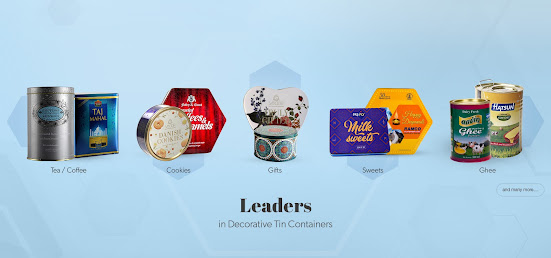
Tin plate packaging is used across a wide range of sectors, each benefiting from its natural protective qualities.
Common applications include:
-
Food and confectionery requiring extended shelf stability
-
Dry goods sensitive to moisture and air
-
Cosmetics and personal care products needing contamination control
-
Custom packaging where premium appearance matters
Its versatility allows manufacturers to adapt designs while maintaining consistent performance.
Building Trust Through Packaging Choices
Packaging often speaks before a product is opened. A well made tin container conveys care, reliability, and attention to detail. It reassures buyers that the contents have been protected thoughtfully.
Over time, this consistency builds trust. Customers come to associate the packaging with freshness and quality, strengthening long term brand relationships.
Conclusion
Nikita Containers, founded in 1993 in Umbergaon, Gujarat, has grown from a small aluminium tube manufacturer to a global supplier of high quality metal containers, catering to diverse industries including food, confectionery, cosmetics, and custom packaging. With eco friendly, recyclable tin plate solutions offering durability, safety, and premium appeal, the company continues to uphold its mission of delivering excellence, trust, and innovation while contributing to sustainable packaging worldwide.
Tin plate packaging shows that extending shelf life does not require chemical shortcuts. Through intelligent material choice and thoughtful design, it protects products naturally while supporting safety, sustainability, and brand value.
Frequently Asked Questions(FAQs):
How does tin plate packaging extend shelf life naturally?
Tin plate creates a strong barrier against oxygen, light, moisture, and bacteria, which slows product degradation without additives.
Is tin plate packaging safe for direct food contact?
Yes, tin plate is widely recognised as food safe and non toxic when manufactured to industry standards.
Can tin containers help reduce food waste?
Longer shelf life and better protection mean fewer products spoil before use, helping reduce waste.
Is tin plate packaging environmentally responsible?
Tin plate is highly recyclable and can be reused multiple times without losing its properties.

Comments
Post a Comment