
Introduction
Packaging trends often move in cycles, but some materials return stronger because they solve modern problems better than ever before. In 2026, biscuit tins are firmly back in focus. What was once seen as traditional or nostalgic has become a smart, future-ready packaging choice for FMCG brands navigating sustainability targets, food safety concerns, and rising consumer expectations.
This renewed interest is not driven by sentiment alone. It reflects real shifts in regulation, supply chains, and consumer trust. Biscuit tins now sit at the intersection of performance, responsibility, and brand storytelling, making them highly relevant for today’s competitive food market.
The changing expectations around food packaging
Food packaging is no longer judged only by cost or convenience. Brands are being assessed on how responsibly they protect products, people, and the planet. Flexible packaging and mixed-material laminates, once popular, are facing growing scrutiny due to recycling challenges and environmental impact.
At the same time, consumers are paying closer attention to freshness, safety, and authenticity. A package that visibly protects food and can be reused or recycled without guilt resonates far more deeply than single-use alternatives.
This shift has encouraged many FMCG decision-makers to reassess proven materials that meet modern standards. Tin plate has quietly emerged as one of the most dependable options.
Why biscuit tins fit today’s food safety needs
Biscuits are sensitive products. Exposure to air, moisture, light, and odours can quickly affect taste and texture. Tin containers address these challenges in a way few materials can match.
A well-manufactured biscuit tin provides a robust physical barrier that helps maintain product integrity throughout transport, storage, and shelf life. Unlike thinner packaging formats, tin does not easily deform or puncture, reducing the risk of contamination.
Its non-toxic nature also aligns with stricter food contact regulations now enforced across global markets. For brands exporting across regions, this consistency offers peace of mind.
Sustainability is no longer optional
One of the strongest drivers behind the return of biscuit tins is sustainability. Tin plate is among the most recyclable packaging materials available today. It can be recycled repeatedly without losing its core properties, supporting a true circular economy.
As governments tighten rules around packaging waste and extended producer responsibility, brands are under pressure to choose materials that will remain compliant in the long term. Tin answers this challenge without requiring complex disposal instructions or specialised recycling streams.
For sustainability-focused brands, choosing recyclable metal packaging is not just a compliance decision. It is a visible commitment that consumers can easily understand and trust.
Practical advantages driving renewed demand
Beyond sustainability, biscuit tins offer several practical benefits that matter to both manufacturers and brand owners.
-
Longer shelf life
Airtight tin containers help slow oxidation and moisture ingress, preserving freshness naturally. -
Protection from light and bacteria
Tin blocks UV rays and reduces exposure to external contaminants during handling and storage. -
Aroma and flavour retention
Neutral metal surfaces prevent flavour transfer and keep biscuits tasting as intended. -
Tamper and pilfer resistance
Rigid construction and secure closures discourage interference, supporting food safety standards. -
Excellent printability
High-quality decoration allows brands to communicate clearly and stand out on shelf.
Each of these factors contributes to lower product loss, fewer returns, and stronger consumer confidence.
Branding and shelf presence in a crowded market
Retail shelves are more competitive than ever. Biscuit tins naturally convey a sense of value and care that lighter packaging struggles to replicate. Their weight, finish, and durability influence how consumers perceive what is inside.
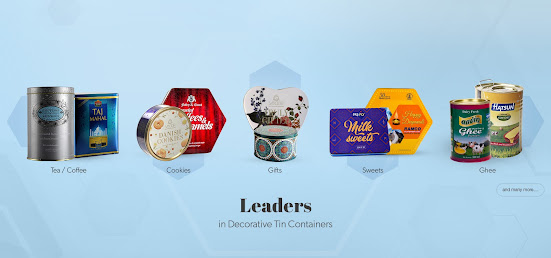
From festive gifting ranges to premium everyday lines, tin packaging allows brands to tell richer stories through colour, texture, and design. Advanced printing techniques make it possible to achieve intricate visuals while maintaining food safety compliance.
This balance between aesthetics and performance is one reason many Biscuit Tins Manufacturers are seeing renewed interest from FMCG marketing teams as well as procurement departments.
A smarter choice for global supply chains
Global distribution introduces challenges such as long transit times, varying climates, and repeated handling. Biscuit tins perform reliably across these conditions.
In humid or high-temperature environments, tin containers provide stability where paper-based or flexible formats often fail. Their strength also reduces the need for excessive secondary packaging, helping brands optimise logistics and reduce waste.
For exporters, this durability translates into fewer damaged goods and more predictable quality at the point of sale.
The role of manufacturers in modern tin packaging
The comeback of biscuit tins is closely linked to how the industry has evolved. Today’s tin packaging is not the same as it was decades ago. Manufacturing processes have improved to deliver lighter, stronger, and more precise containers.
Responsible Biscuit Tins Manufacturers focus on material efficiency, food-safe coatings, and consistent quality control. Many are also investing in cleaner production methods to reduce environmental impact at every stage.
This combination of tradition and innovation is what makes tin packaging relevant in 2026 rather than simply nostalgic.
Looking ahead with confidence
As FMCG brands plan for the future, packaging decisions are becoming strategic rather than purely operational. Biscuit tins offer a rare combination of compliance, sustainability, performance, and brand value that aligns well with long-term goals.
They meet current expectations while remaining adaptable to future regulations and consumer demands. That flexibility is essential in a market where change is constant and scrutiny is high.
Conclusion
The renewed interest in biscuit tins reflects a broader shift towards packaging that works harder and lasts longer. By offering protection, recyclability, and visual appeal in equal measure, tin containers have reclaimed their place as a smart choice for modern food brands.
This evolution can be seen in companies such as Nikita Containers, founded in 1993 in Umbergaon, Gujarat. What began as a small aluminium tube operation has grown into a global supplier of high-quality metal containers serving food, confectionery, cosmetics, and custom packaging markets. Through durable, eco-friendly, recyclable tin plate solutions, the company continues to focus on safety, premium appeal, and responsible innovation, contributing to more sustainable packaging practices worldwide.
Frequently Asked Questions(FAQs):
Are biscuit tins better than plastic packaging?
Biscuit tins offer stronger protection, longer shelf life, and full recyclability, making them a more sustainable and reliable option for many brands.
Can tin packaging meet modern food safety standards?
Yes. Food-grade tin plate with approved coatings complies with major global food contact regulations.
Are biscuit tins suitable for large-scale FMCG production?
Modern manufacturing techniques allow tin containers to be produced efficiently at scale while maintaining consistent quality.
Do consumers value tin packaging?
Many consumers associate tin with freshness, reusability, and premium quality, which can positively influence purchasing decisions.
Is tin packaging environmentally responsible?
Tin plate can be recycled multiple times without losing properties, supporting circular economy goals and reducing long-term waste.

Comments
Post a Comment