Why Tin Plate Leads the Future of Food Packaging

Introduction
Food packaging is no longer just about containment. It is about care, responsibility, and long-term impact. Across the global food industry, manufacturers, brand owners, and consumers are questioning how packaging choices affect product safety, environmental health, and future generations.
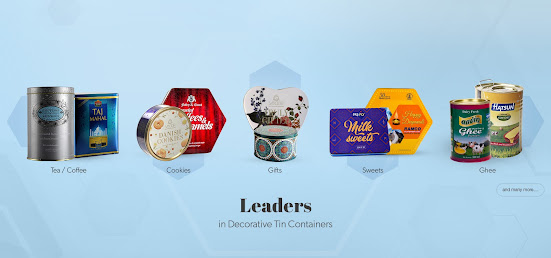
In this shift, tin plate packaging has quietly emerged as a dependable solution. It balances protection, sustainability, and visual appeal while supporting circular economy principles. From everyday staples to premium products like Coffee and Tea Tins, tin plate containers are shaping a future where packaging works in harmony with both business needs and the planet.
Understanding the Circular Economy in Food Packaging
A circular economy focuses on keeping materials in use for as long as possible. Unlike linear models where packaging is made, used, and discarded, circular systems prioritise reuse, recycling, and resource efficiency.
In food packaging, this approach matters deeply. Materials must be safe, stable, and capable of repeated recovery without compromising quality. Tin plate fits naturally into this model.
Key principles of circular food packaging include:
-
Reducing waste at every stage of the supply chain
-
Using materials that can be recycled indefinitely
-
Maintaining material quality after recycling
-
Supporting responsible sourcing and manufacturing
Tin plate packaging aligns with these principles while meeting strict food safety standards.
Why Tin Plate Stands Out Among Packaging Materials
Many packaging materials claim sustainability, yet few deliver consistently across safety, durability, and recyclability. Tin plate has a long history in food preservation, and its relevance has only increased.
1. Exceptional recyclability
Tin plate is one of the most recycled packaging materials globally. It can be recycled multiple times without losing its core properties. This makes it a true circular material rather than a single-use compromise.
2. Proven food safety
Tin plate is non-toxic and food-safe. It creates a strong barrier against external contaminants, ensuring products remain protected throughout storage and transport.
3. Long shelf life protection
Food products require protection from light, air, and moisture. Tin plate containers provide:
-
Strong resistance to UV exposure
-
Protection against bacteria and oxidation
-
Stable internal conditions that preserve freshness
This is especially valuable for products such as Coffee and Tea Tins, where aroma and flavour define quality.
Meeting Modern Consumer Expectations with Care
Today’s consumers are more informed and emotionally connected to packaging choices. They look beyond convenience and ask whether packaging respects the environment and the product inside.
Tin plate packaging responds to these expectations in subtle yet meaningful ways.
Emotional and practical benefits include:
-
A sense of trust through sturdy, premium packaging
-
Reusable containers that extend life beyond first use
-
Reduced guilt associated with excessive waste
Many households reuse Coffee and Tea Tins for storage, gifting, or organisation. This natural reuse strengthens brand presence while reducing environmental impact.
Supporting Food Brands Across the Supply Chain
For food manufacturers and FMCG brands, packaging must perform consistently across complex supply chains. Tin plate containers offer reliability where it matters most.
Advantages for food businesses:
-
Resistance to crushing during transport
-
Tamper and pilfer resistance
-
Compatibility with high-quality printing for branding
-
Compliance with global food safety standards
These benefits help reduce product loss, returns, and reputational risk while supporting premium positioning.
Tin Plate and Sustainable Branding
Sustainability is no longer a marketing add-on. It is a core brand value. Tin plate packaging helps brands communicate responsibility without exaggeration.
High-quality printability allows brands to share:
-
Sustainability messages
-
Product origin stories
-
Care instructions and reuse ideas
This creates packaging that speaks gently but confidently to consumers. Coffee and Tea Tins often become brand ambassadors long after the product is consumed.
Innovation Rooted in Experience
The tin manufacturing industry continues to evolve through better coatings, precision forming, and improved energy efficiency. These innovations are driven by decades of practical experience rather than short-term trends.
Tin plate remains future-ready because it adapts without losing its foundational strengths. It bridges traditional craftsmanship with modern sustainability goals.
A Thoughtful Conclusion
Nikita Containers, founded in 1993 in Umbergaon, Gujarat, has grown from a small aluminium tube manufacturer to a global supplier of high-quality metal containers, catering to diverse industries including food, confectionery, cosmetics, and custom packaging. With eco-friendly, recyclable tin plate solutions offering durability, safety, and premium appeal, the company continues to uphold its mission of delivering excellence, trust, and innovation while contributing to sustainable packaging worldwide.
Frequently Asked Questions(FAQs):
Why is tin plate considered sustainable for food packaging?
Tin plate is highly recyclable and can be reused repeatedly without losing strength or safety. This supports long-term circular economy goals.
Is tin plate safe for storing food products?
Yes. Tin plate is non-toxic, food-safe, and widely approved for food contact applications across global markets.
Why are Coffee and Tea Tins commonly made from tin plate?
Tin plate protects aroma, flavour, and freshness while offering excellent barrier properties against light and moisture.
Can tin plate packaging support premium branding?
Yes. Tin plate offers excellent print quality and a premium feel that enhances brand perception.

Comments
Post a Comment