How Tin Containers Extend Shelf Life Naturally

Custom Printed Tin Containers are increasingly recognised by manufacturers and sustainability driven brands as a reliable way to extend shelf life without relying on artificial preservatives or chemical treatments. In a marketplace shaped by clean label demands and stricter safety regulations, packaging has become more than a protective shell. It is a silent guardian of product quality.
For industrial buyers and packaging decision makers, the question is no longer just about containment. It is about preservation, compliance, and environmental responsibility. Tin plate packaging offers a compelling answer by combining physical protection, barrier strength, and recyclability in one material.
This article explores how tin containers naturally extend shelf life while supporting food safety, brand integrity, and sustainable manufacturing.
Understanding Shelf Life in Modern Packaging
Shelf life is influenced by exposure to oxygen, moisture, light, bacteria, and physical damage. When products degrade, it is often due to one or more of these factors entering through weak or permeable packaging materials.
Many brands attempt to compensate for inadequate packaging by adding chemical preservatives. While effective in some cases, this approach does not align with growing consumer demand for transparency and minimal ingredients.
The more sustainable solution is to control external factors through intelligent packaging design. Metal packaging, particularly tin plate, achieves this through its inherent physical properties rather than chemical intervention.
The Natural Barrier Advantage of Tin Plate
Tin plate is made by coating thin steel sheets with a layer of tin. This combination delivers strength, corrosion resistance, and excellent barrier protection.
Unlike flexible packaging or certain plastics, tin containers are non porous. They do not allow oxygen or moisture to seep through microscopic gaps. This significantly reduces oxidation and spoilage.
Light exposure is another major contributor to food degradation. Ultraviolet rays can break down nutrients, alter flavour, and discolour products. Tin containers block light completely, preserving product quality over time.
The result is extended shelf life achieved through physical integrity rather than additives.
Protection Without Harmful Chemicals
Brands focused on clean formulations are increasingly concerned about avoiding unnecessary chemical preservatives. Custom printed tin containers help by maintaining stable internal conditions that naturally slow deterioration.
Key protective benefits include:
-
Oxygen barrier protection
Airtight sealing prevents oxidation, which can cause rancidity in oils, nuts, and confectionery. -
Moisture resistance
Tin plate prevents humidity penetration, protecting dry goods such as tea, coffee, and powdered products. -
Complete light blockage
UV protection safeguards colour, nutrients, and flavour integrity. -
Bacterial resistance
The sealed metal surface limits contamination risks during storage and transit. -
Tamper resistance
Secure closures reduce exposure to external contaminants.
Each of these factors contributes to longer product viability without relying on synthetic stabilisers.
Aroma and Flavour Retention
Shelf life is not just about safety. It is also about preserving sensory quality. For premium food and beverage brands, aroma and flavour define customer loyalty.
Tin containers are particularly effective at retaining volatile compounds that give products their distinctive character. Spices, teas, and speciality confectionery maintain their aroma because the metal barrier prevents flavour loss.
Industrial buyers often note that alternative materials may allow gradual scent transfer or absorption. Tin, by contrast, protects both the product and surrounding environment from cross contamination.
This natural retention supports clean label positioning and enhances consumer trust.
Structural Strength Reduces Waste
Physical damage can shorten shelf life before a product even reaches the shelf. Crushed packaging or compromised seals introduce air and moisture.
Tin containers offer rigidity and impact resistance. They withstand stacking, shipping, and export conditions more effectively than many lightweight alternatives.
For manufacturers and distributors, this strength reduces product returns and spoilage losses. For sustainability focused brands, it means fewer wasted resources and lower overall carbon impact.
Durability becomes a form of preservation in itself.
Supporting Food Safety Compliance
In both the United States and global markets, food safety regulations are becoming stricter. Buyers are expected to demonstrate that packaging materials do not introduce harmful substances.
Tin plate packaging is widely recognised as food safe when manufactured to proper standards. The material does not leach toxins under normal conditions. Internal protective lacquers can be applied where necessary to ensure compatibility with specific products.
For enterprise level procurement teams, this reliability simplifies compliance audits and export documentation.
Packaging that protects without chemical dependence aligns with both regulatory expectations and ethical sourcing commitments.
Sustainability and Infinite Recyclability
Extending shelf life without chemicals is only part of the equation. Today, packaging decisions must also consider environmental impact.
Tin plate is one of the most recyclable packaging materials available. It can be recycled multiple times without losing its core properties. This closed loop capability reduces reliance on virgin materials and supports circular economy goals.
Longer shelf life also reduces food waste, which remains a major contributor to global emissions. When products stay fresh for longer, fewer goods are discarded.
By combining durability with recyclability, custom printed tin containers offer a balanced solution for performance and planet.
Branding Meets Preservation
While protection is critical, visual presentation still matters. Custom printing on tin allows high quality graphics, embossing, and decorative finishes.
This strong printability does not compromise barrier strength. Instead, it enhances brand recognition while maintaining shelf stability.
For sustainability conscious brands, the ability to combine premium aesthetics with responsible material choices creates powerful storytelling opportunities.
Packaging becomes both protective and purposeful.
Real World Applications Across Industries
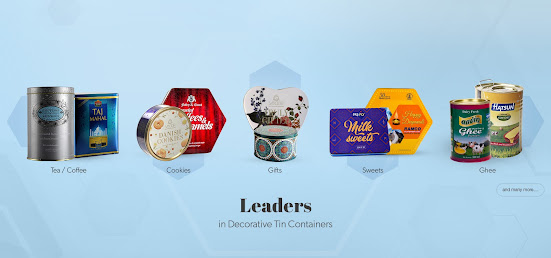
Industries that benefit most from extended shelf life through metal packaging include:
-
Tea and coffee producers seeking aroma retention
-
Confectionery manufacturers requiring moisture control
-
Edible oil brands preventing oxidation
-
Nutraceutical companies prioritising light protection
-
Cosmetic brands protecting sensitive formulations
In each case, the underlying principle remains the same. Control environmental exposure through robust packaging, and the need for chemical preservatives decreases.
Conclusion
Custom printed tin containers demonstrate that shelf life extension does not require harmful chemicals. Through oxygen resistance, moisture control, UV protection, and structural durability, tin packaging preserves product quality naturally.
For manufacturers and sustainability focused brands, this approach supports clean labels, regulatory compliance, and reduced waste. It also strengthens brand reputation in an era where consumers increasingly scrutinise ingredient lists and environmental claims.
Nikita Containers, founded in 1993 in Umbergaon, Gujarat, has grown from a small aluminium tube manufacturer to a global supplier of high quality metal containers serving industries such as food, confectionery, cosmetics, and custom packaging. With eco friendly, recyclable tin plate solutions offering durability, safety, and premium appeal, the company continues its mission of delivering excellence, trust, and innovation while contributing to sustainable packaging worldwide.
Frequently Asked Questions(FAQs):
How do tin containers extend shelf life naturally?
Tin containers create an airtight barrier against oxygen, moisture, and light. This reduces spoilage and oxidation without the need for chemical preservatives.
Are tin plate containers safe for food storage?
Yes. When manufactured to recognised standards, tin plate packaging is non toxic and suitable for food contact applications.
Do tin containers prevent UV damage?
Yes. Metal packaging blocks light completely, protecting sensitive products from ultraviolet degradation.
Can tin packaging be recycled?
Tin plate is fully recyclable and can be reused multiple times without losing strength or quality.
Why are manufacturers choosing tin over plastic?
Manufacturers value tin for its durability, recyclability, tamper resistance, and ability to preserve product freshness without chemical reliance.

Comments
Post a Comment