Why Recyclable Tin Packaging Leads Circular Economy

Colors Box Tin Containers and other forms of recyclable tin packaging are becoming central to the global shift toward a circular economy. As businesses and consumers seek sustainable packaging options, metal containers made from tin plate are increasingly recognised for their ability to be recycled repeatedly without losing quality.
In an era where packaging waste is under scrutiny, recyclable materials that support reuse and recovery are gaining attention. Tin packaging stands out because it combines durability, safety, and environmental responsibility in a way that few materials can match.
Across industries such as food, confectionery, cosmetics, and specialty goods, brands are turning to recyclable tin containers as a dependable packaging solution. Their ability to protect products while remaining environmentally responsible makes them a strong candidate for future focused packaging systems.
Understanding the Circular Economy in Packaging
The circular economy is built around the idea that materials should stay in use for as long as possible. Instead of being discarded after a single use, products and materials are designed to be reused, repaired, or recycled continuously.
Packaging plays a significant role in this system. Every year, millions of tonnes of packaging materials enter the waste stream, much of which cannot be recycled effectively. This challenge has pushed manufacturers and brands to rethink the materials they use.
Tin packaging aligns naturally with circular economy principles. Metal can be recycled multiple times without losing its strength, appearance, or protective qualities. This makes it one of the most sustainable materials available in the packaging sector.
For industrial buyers and sustainability focused companies, recyclable tin packaging provides a practical way to reduce environmental impact while maintaining product safety and shelf appeal.
Why Tin Packaging Supports Long Term Sustainability
One of the strongest advantages of tin packaging is its ability to maintain performance through repeated recycling cycles. Unlike many other materials, tin plate retains its structural integrity even after being processed multiple times.
This characteristic allows manufacturers to create containers that can move through the recycling system again and again, reducing the need for new raw materials.
Another important factor is durability. Tin containers are resistant to damage during transportation and storage. Their strength reduces the risk of product loss, which is an often overlooked element of sustainability.
Because the packaging protects the product effectively, there is less waste throughout the supply chain.
Key Benefits of Recyclable Tin Packaging
The growing interest in tin containers is driven by several practical advantages that support both sustainability and product protection.
Highly recyclable material
Tin plate can be recycled repeatedly without losing its essential properties. This makes it ideal for long term circular economy systems.
Protection from light and contamination
Tin packaging shields products from UV exposure, moisture, and bacteria. This helps maintain product quality and safety.
Extended shelf life
The airtight structure of tin containers helps preserve aroma, flavour, and freshness for longer periods.
Durable and transport friendly
Metal containers withstand handling and transportation pressures better than many lightweight materials.
Tamper resistant design
Secure closures provide reassurance to both manufacturers and consumers that products remain safe.
Excellent printability
Tin surfaces allow detailed graphics and vibrant branding, which helps products stand out in competitive markets.
These benefits explain why many brands are reconsidering traditional packaging materials and exploring metal alternatives.
The Role of Tin Packaging in Responsible Manufacturing
Manufacturers across the world are under pressure to improve sustainability while maintaining production efficiency. Packaging choices play a crucial role in achieving these goals.
Tin containers help companies reduce environmental impact in several ways. Their recyclability supports waste reduction initiatives, while their durability lowers the risk of product damage.
Food and beverage manufacturers in particular value the protective qualities of tin packaging. The material creates a reliable barrier against external factors that can affect product quality.
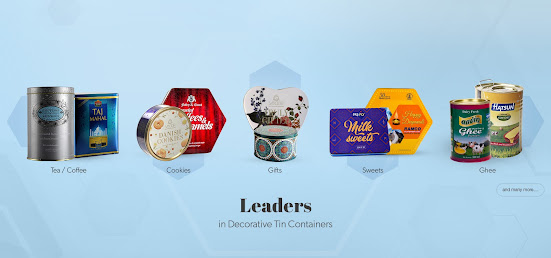
This makes it suitable for storing a wide range of goods including confectionery, dry foods, teas, spices, and speciality products.
For brands focused on environmental responsibility, using recyclable packaging also sends a strong message to consumers. It demonstrates a commitment to sustainable practices without compromising on quality.
How Consumers Are Influencing Packaging Choices
Modern consumers are becoming more aware of the environmental consequences of packaging waste. Many actively seek products packaged in recyclable or reusable materials.
This shift in expectations has encouraged brands to adopt packaging that aligns with responsible consumption. Tin containers are often perceived as premium, durable, and environmentally considerate.
In addition, many consumers reuse decorative tin boxes at home for storage or organisation. This extended use further supports circular economy principles by keeping materials in use for longer periods.
Such behaviour highlights how packaging can move beyond its original purpose and contribute to a broader culture of sustainability.
Why Metal Packaging Is Gaining Global Attention
Around the world, governments and environmental organisations are introducing policies designed to reduce packaging waste. Materials that can be easily recovered and recycled are receiving increased support.
Tin packaging fits well within these frameworks because it integrates smoothly into existing recycling systems. Steel based materials are widely accepted in recycling facilities, making recovery efficient and cost effective.
Industrial buyers and supply chain managers are also recognising the long term benefits of choosing recyclable materials. Packaging that supports sustainability goals can help companies meet regulatory expectations and strengthen brand reputation.
As sustainability continues to influence purchasing decisions, recyclable tin packaging is likely to remain an important part of the packaging industry.
Conclusion
Recyclable tin packaging demonstrates how thoughtful material choices can support both environmental responsibility and product protection. Its durability, safety, and ability to be recycled repeatedly make it an effective solution within the circular economy.
As industries move toward sustainable manufacturing practices, materials that support long term reuse and recovery will play an increasingly important role. Tin containers represent a practical example of how packaging can contribute to a more responsible system.
Nikita Containers, founded in 1993 in Umbergaon, Gujarat, has grown from a small aluminium tube manufacturer to a global supplier of high quality metal containers serving industries such as food, confectionery, cosmetics, and custom packaging. With eco friendly and recyclable tin plate solutions that combine durability, safety, and premium appeal, the company continues its mission of delivering trust, innovation, and excellence while contributing to sustainable packaging practices worldwide.
Frequently Asked Questions(FAQs):
What makes tin packaging recyclable?
Tin packaging is made from metal that can be melted and reused without losing its structural properties. This allows it to be recycled repeatedly in established metal recovery systems.
Why is tin packaging suitable for food products?
Tin containers provide a strong barrier against moisture, light, and contamination. This helps maintain freshness, flavour, and product safety.
How does tin packaging support the circular economy?
Because tin can be recycled multiple times and often reused by consumers, it stays in circulation longer. This reduces waste and lowers the need for new raw materials.
Are tin containers environmentally friendly?
Yes. Tin plate packaging is widely recognised as one of the most recyclable packaging materials available. Its durability and long lifespan contribute to responsible resource use.
Why are brands choosing tin packaging today?
Brands value tin packaging for its protective qualities, premium appearance, recyclability, and ability to align with sustainability goals.

Comments
Post a Comment