Why Tin Plate Packaging Leads Sustainable Futures

Tin Plate Packaging is increasingly recognised as one of the most reliable, sustainable, and forward-thinking solutions in modern packaging. As industries move towards environmentally responsible practices, the demand for materials that combine durability, safety, and recyclability continues to grow.
For manufacturers, brand owners, and sustainability-driven businesses, the choice of packaging is no longer just about cost or appearance. It is about long-term impact, product protection, and environmental responsibility. Tin plate packaging stands at the intersection of all these priorities.
The Shift Towards Sustainable Packaging
Over the past decade, global awareness around waste and environmental impact has reshaped how packaging is designed and selected. Businesses are under pressure to reduce their carbon footprint while maintaining product integrity.
Tin plate packaging offers a practical answer to this challenge. Unlike many single-use materials, it supports a circular economy model where resources are reused without compromising quality. This makes it highly relevant for businesses aiming to meet sustainability targets without sacrificing performance.
What Makes Tin Plate Packaging Highly Recyclable
One of the most compelling advantages of tin plate packaging is its ability to be recycled repeatedly without losing its core properties. This sets it apart from many other packaging materials that degrade over time.
Steel, the base material used in tin plate, can be recovered and reused indefinitely. This means that a tin container used today can become part of a new product tomorrow, without any reduction in strength or safety.
Additionally, the recycling process for tin plate is well-established globally. Collection systems, magnetic separation, and efficient reprocessing make it one of the easiest materials to recover and reuse at scale.
Built for Protection and Product Integrity
Beyond sustainability, tin plate packaging is valued for its protective qualities. It creates a strong barrier against external elements that can compromise product quality.
This includes protection from light, moisture, air, and contaminants. For industries such as food, cosmetics, and pharmaceuticals, maintaining product integrity is essential.
Tin plate packaging also helps preserve aroma and flavour, making it ideal for products where sensory quality matters. Its non-toxic nature ensures that the contents remain safe for consumption or use.
Why Businesses Are Moving Away from Traditional Materials
Many commonly used packaging materials come with limitations that are becoming harder to ignore. Plastic, for example, often struggles with recyclability and environmental impact. Glass, while recyclable, can be fragile and energy-intensive to transport.
Tin plate packaging offers a balanced alternative. It combines strength, safety, and sustainability in a way that aligns with modern business needs.
Key advantages include:
-
Infinite recyclability
Tin plate can be recycled multiple times without losing quality, supporting long-term sustainability goals. -
Superior product protection
It acts as a barrier against UV rays, moisture, and bacteria, helping extend shelf life. -
Non-toxic and food-safe
Ideal for sensitive products, ensuring safety and compliance with global standards. -
Aroma and flavour retention
Maintains the original quality of food and consumables over time. -
Tamper and pilfer resistance
Provides security during storage and transportation. -
Excellent printability
Enables high-quality branding, helping products stand out on shelves.
Supporting a Circular Economy
The concept of a circular economy is central to future-ready manufacturing. It focuses on reducing waste, reusing materials, and extending product life cycles.
Tin plate packaging fits naturally into this model. Its recyclability ensures that materials remain in use for as long as possible. This reduces the need for raw material extraction and lowers environmental impact.
For businesses, this also translates into improved brand perception. Consumers are increasingly drawn to companies that demonstrate genuine commitment to sustainability.
Meeting Modern Consumer Expectations
Today’s consumers are more informed and conscious than ever before. They expect transparency, responsibility, and quality from the brands they support.
Packaging plays a significant role in shaping these perceptions. Tin plate packaging, with its premium feel and eco-friendly credentials, helps brands communicate trust and reliability.
It also aligns with regulatory trends, as governments worldwide introduce stricter guidelines on packaging waste and recyclability. Choosing tin plate packaging positions businesses ahead of these changes.
Future-Ready by Design
Future-ready packaging is not just about meeting current needs. It is about anticipating what comes next. This includes evolving regulations, changing consumer behaviour, and advancements in manufacturing.
Tin plate packaging is adaptable. It supports custom designs, innovative shapes, and advanced printing techniques. This allows brands to stay creative while maintaining sustainability.
Its durability also makes it suitable for long supply chains and global distribution, ensuring products reach consumers in optimal condition.
A Practical Choice for Multiple Industries
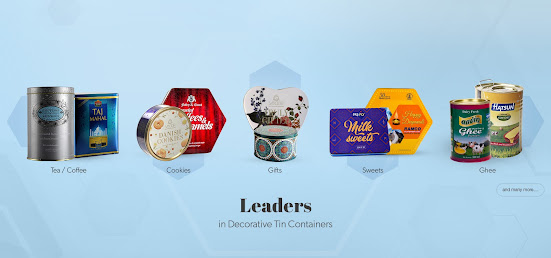
Tin plate packaging is widely used across various sectors due to its versatility and reliability.
From food and beverages to cosmetics and speciality products, it offers a consistent level of performance. Its ability to maintain product quality while supporting sustainability makes it a preferred choice for many industries.
Businesses looking to future-proof their operations often find that tin plate packaging meets both functional and environmental requirements effectively.
Conclusion
As the packaging industry continues to evolve, the need for solutions that balance performance with responsibility becomes increasingly important. Tin plate packaging stands out as a material that delivers on both fronts.
Its ability to be recycled indefinitely, combined with its protective qualities and adaptability, makes it a truly future-ready option. For businesses aiming to align with sustainability goals while maintaining product excellence, it offers a dependable path forward.
Companies such as Nikita Containers, founded in 1993 in Umbergaon, Gujarat, reflect how this approach can be integrated into long-term growth. From its beginnings as a small aluminium tube manufacturer to becoming a global supplier of high-quality metal containers, the company serves industries including food, confectionery, cosmetics, and custom packaging. With eco-friendly, recyclable tin plate solutions that prioritise durability, safety, and premium appeal, it continues to uphold its mission of delivering excellence, trust, and innovation while contributing to sustainable packaging worldwide.
Frequently Asked Questions (FAQs):
What is tin plate packaging made of?
Tin plate packaging is made from thin sheets of steel coated with tin. This combination provides strength, corrosion resistance, and safety for various products.
Why is tin plate packaging considered recyclable?
It can be recycled multiple times without losing its properties. The steel base material retains its strength and quality through repeated recycling cycles.
Is tin plate packaging safe for food products?
Yes, it is non-toxic and widely used for food packaging. It protects contents from contamination while preserving flavour and freshness.
How does tin plate packaging support sustainability goals?
It reduces waste through recyclability, supports circular economy practices, and lowers the need for new raw materials.
Can tin plate packaging be customised for branding?
Yes, it offers excellent printability, allowing businesses to create visually appealing and distinctive packaging designs.

Comments
Post a Comment