Why Tin Containers Dominate Packaging in 2026

Sustainable Tin Containers are rapidly becoming the preferred choice for modern packaging, driven by growing environmental awareness, stricter regulations, and the need for safer product storage. Across industries, businesses are rethinking how they package goods, not only to protect products but also to reflect their values.
In 2026, packaging is no longer just a functional requirement. It is a statement of responsibility, quality, and long-term vision. Tin containers are emerging as a practical and future-ready solution that aligns with these expectations.
A Shift Towards Responsible Packaging
Over the past decade, the packaging industry has faced increasing pressure to reduce waste and environmental impact. Consumers and businesses alike are demanding solutions that go beyond basic recyclability.
Tin stands out because it supports a circular economy. Unlike many materials, it can be recycled multiple times without losing its strength or quality. This makes it a reliable option for brands looking to reduce their environmental footprint while maintaining performance.
At the same time, governments and global organisations are introducing stricter sustainability guidelines. Companies that adopt responsible packaging early are better positioned to adapt and grow in this evolving landscape.
Why Tin Is Gaining Industry Momentum
The rise of tin packaging is not just about sustainability. It is also about performance, safety, and brand value. Manufacturers and buyers are recognising that tin offers a balance of practical and environmental benefits.
Key advantages of sustainable tin containers:
-
Extended shelf life
Tin provides an excellent barrier against air and moisture, helping products stay fresh for longer periods. -
Non toxic and food safe
Tin containers are widely trusted for storing food, cosmetics, and sensitive products without risk of contamination. -
Protection from light and bacteria
The opaque nature of tin shields contents from harmful UV rays and reduces bacterial exposure. -
Retention of aroma and flavour
Products such as tea, coffee, and confectionery benefit from tin’s ability to preserve original taste and fragrance. -
Tamper resistant packaging
Tin containers can be designed to offer strong protection against pilferage, increasing consumer confidence. -
High quality printability
Brands can create visually appealing designs that stand out on shelves while maintaining durability.
These features make tin not only sustainable but also highly functional, which is essential for modern supply chains.
Meeting the Needs of Modern Industries
Different industries have unique packaging requirements, yet many are turning towards tin as a versatile solution.
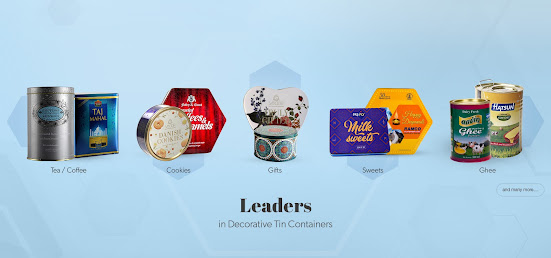
In the food and beverage sector, safety and shelf life are critical. Tin containers help maintain product integrity during storage and transport, especially in varying climates.
For cosmetics and personal care brands, packaging must reflect quality and trust. Tin offers a premium feel while ensuring the contents remain protected from contamination.
Industrial buyers also value durability. Tin containers can withstand handling, stacking, and long distance shipping without compromising the product inside.
This adaptability is one of the key reasons tin packaging is gaining widespread acceptance across sectors.
Sustainability That Goes Beyond Recycling
While many materials claim to be recyclable, tin offers a deeper level of sustainability. It fits seamlessly into closed loop recycling systems, where materials are reused continuously without degradation.
This reduces the need for raw material extraction and lowers overall environmental impact. Businesses that adopt such materials are contributing to a more stable and responsible supply chain.
Moreover, the longevity of tin containers encourages reuse. Many consumers repurpose tin packaging for storage, adding another layer of environmental benefit.
The Role of Branding and Consumer Trust
Packaging plays a crucial role in how products are perceived. In 2026, consumers are more informed and selective about the brands they support.
Tin containers offer a premium and reliable appearance that builds trust. Their solid structure and refined finish signal quality, which can influence purchasing decisions.
At the same time, sustainable packaging strengthens brand reputation. Companies that invest in eco friendly materials are often seen as more responsible and forward thinking.
This combination of aesthetics and ethics makes tin packaging a powerful tool for brand positioning.
Cost Considerations and Long Term Value
While initial costs may be a factor in packaging decisions, many businesses are looking beyond short term expenses. Tin containers provide long term value through durability, reduced product loss, and extended shelf life.
Fewer damaged goods during transit and better preservation of contents can lead to significant savings over time. Additionally, compliance with sustainability regulations helps avoid future costs related to policy changes.
For many organisations, the shift to tin is not just an environmental decision but a strategic one.
Looking Ahead: The Future of Packaging
The packaging industry is moving towards solutions that are both practical and responsible. Tin containers align with this direction by offering reliability, safety, and sustainability in one package.
As technology advances, manufacturers are also improving production methods to make tin packaging even more efficient and environmentally friendly. This ongoing innovation ensures that tin remains relevant in a rapidly changing market.
Businesses that embrace such materials today are likely to lead tomorrow’s packaging landscape.
Conclusion
The growing adoption of sustainable tin containers in 2026 reflects a broader shift towards responsible and high performance packaging. With their ability to protect products, support recycling, and enhance brand value, tin containers are proving to be more than just an alternative. They are becoming a standard.
Companies with a long standing commitment to quality and sustainability continue to shape this transition. Nikita Containers, founded in 1993 in Umbergaon, Gujarat, has grown from a small aluminium tube manufacturer to a global supplier of high quality metal containers, catering to diverse industries including food, confectionery, cosmetics, and custom packaging. With eco friendly, recyclable tin plate solutions offering durability, safety, and premium appeal, the company continues to uphold its mission of delivering excellence, trust, and innovation while contributing to sustainable packaging worldwide.
Frequently Asked Questions (FAQ):
What makes tin containers sustainable?
Tin containers can be recycled multiple times without losing quality. This supports a circular economy and reduces environmental impact.
Are tin containers safe for food storage?
Yes, tin is non toxic and widely used for food packaging due to its protective and hygienic properties.
Why are businesses switching to tin packaging?
Businesses value tin for its durability, ability to extend shelf life, and alignment with sustainability goals.
Can tin containers be customised for branding?
Tin offers excellent printability, allowing brands to create attractive and distinctive packaging designs.
Is tin packaging cost effective in the long run?
Although initial costs may vary, the durability and product protection offered by tin often result in long term savings.

Comments
Post a Comment