Why Shelf Life Matters More Than Ever: The Packaging Factor Most Brands Overlook

Candle Tins Wholesale India has become an increasingly searched term as businesses look for packaging solutions that do more than simply hold a product. In today's competitive market, shelf life has become one of the most important factors influencing product quality, customer satisfaction, profitability, and sustainability.
Whether it is food, confectionery, cosmetics, candles, or personal care products, consumers expect products to remain fresh, safe, and effective from the moment they leave the factory until they reach the end user. Yet many brands focus heavily on product development and marketing while overlooking one crucial element: packaging.
The reality is simple. Even the best product can lose its value if the packaging fails to protect it. As supply chains become longer and consumer expectations continue to rise, packaging has emerged as a key driver of shelf life and overall product performance.
Understanding Shelf Life in Modern Markets
Shelf life refers to the period during which a product maintains its intended quality, safety, appearance, aroma, and effectiveness. While ingredients and manufacturing processes play a role, packaging often determines how well a product withstands external conditions.
Products today frequently travel thousands of miles before reaching consumers. During this journey, they may be exposed to humidity, temperature changes, sunlight, oxygen, contamination, and physical handling.
Without adequate protection, product degradation can begin long before the item reaches the shelf.
For manufacturers and brand owners, this creates several challenges. Product spoilage, customer complaints, waste, and damaged brand reputation can all stem from poor packaging decisions.
Why Shelf Life Has Become More Important Than Ever
Several market trends have increased the importance of shelf life in recent years.
Longer Supply Chains
Global sourcing and international distribution mean products often spend more time in transit and storage. Packaging must provide consistent protection throughout this extended journey.
Sustainability Expectations
Consumers increasingly expect brands to minimise waste. Products that expire prematurely contribute directly to unnecessary waste and environmental impact.
Rising Consumer Standards
Customers notice quality differences more than ever before. Changes in aroma, flavour, texture, or appearance can quickly lead to negative reviews and lost trust.
Increasing Operational Costs
Raw materials, logistics, and manufacturing costs continue to rise. Protecting products effectively helps businesses avoid costly losses caused by spoilage and damage.
The Packaging Factor Many Brands Overlook
When discussing shelf life, attention often focuses on product formulation. However, packaging acts as the first line of defence against environmental threats.
Effective packaging creates a barrier between the product and external conditions that may compromise quality.
For many industries, tin plate packaging offers unique advantages because it combines durability, protection, and sustainability in a single solution.
Unlike some alternative materials, metal packaging provides strong resistance against factors that commonly reduce shelf life.
How Packaging Directly Influences Product Preservation
Protection from Light Exposure
Ultraviolet rays can damage sensitive ingredients and affect product quality over time.
Tin containers provide excellent protection against light exposure, helping preserve colour, fragrance, flavour, and product integrity.
Barrier Against Oxygen
Exposure to oxygen can accelerate oxidation, causing products to lose freshness and effectiveness.
Properly sealed metal containers help minimise oxygen exposure and support longer product stability.
Moisture Resistance
Humidity can significantly affect food products, powders, candles, and cosmetics.
High-quality packaging helps prevent moisture intrusion, reducing the risk of degradation.
Contamination Prevention
Packaging serves as a protective shield against bacteria, dust, and other external contaminants.
This protection is particularly important for food and personal care products where safety standards are critical.
Key Benefits of Shelf-Life Focused Packaging
Businesses that prioritise packaging performance often experience measurable advantages:
- Reduced product waste
Products remain usable for longer periods, lowering spoilage rates. - Improved customer satisfaction
Consumers receive products in optimal condition. - Stronger brand reputation
Consistent quality builds long-term trust. - Better inventory management
Longer shelf life provides greater flexibility in storage and distribution. - Lower operational losses
Reduced returns and damaged goods help improve profitability. - Enhanced sustainability performance
Less waste means fewer resources are lost throughout the supply chain.
Why Tin Packaging Continues to Gain Attention
As sustainability becomes a business priority, packaging materials are being evaluated not only for performance but also for environmental impact.
Tin plate packaging offers a combination of practical and environmental benefits that align with modern business goals.
Durability and Protection
Tin containers are highly resistant to physical damage during transportation and handling.
This durability helps maintain product quality while reducing packaging failures.
Excellent Aroma and Flavour Retention
For products such as candles, confectionery, tea, coffee, spices, and speciality foods, preserving sensory qualities is essential.
Tin packaging helps retain aroma and flavour characteristics for longer periods.
Tamper Resistance
Secure closures and robust construction help improve product security and consumer confidence.
Outstanding Branding Potential
Modern printing technologies allow businesses to create attractive packaging designs without sacrificing functionality.
High-quality graphics and finishes help products stand out while maintaining protective performance.
Shelf Life and Sustainability Go Hand in Hand
Many businesses now recognise that extending shelf life is not only a quality issue but also a sustainability strategy.
Every product discarded due to spoilage represents wasted materials, energy, labour, transportation, and packaging resources.
By extending product life through better packaging, brands can significantly reduce waste across the entire value chain.
Tin plate packaging supports this goal because it is among the most recyclable packaging materials available. It can be recycled repeatedly without losing its core properties, making it an important contributor to circular economy initiatives.
For sustainability-focused organisations, this creates a powerful combination of product protection and environmental responsibility.
Choosing Packaging with Long-Term Value in Mind
Selecting packaging should never be based solely on initial cost.
Businesses increasingly evaluate packaging according to total value, including:
- Product protection
- Shelf-life extension
- Sustainability performance
- Brand presentation
- Consumer experience
- Supply chain efficiency
When these factors are considered together, packaging becomes a strategic business investment rather than a simple operational expense.
The most successful brands understand that protecting product quality from production to consumption is essential for long-term growth.
Conclusion
Shelf life matters more today than at any point in recent history. As supply chains become more complex and consumers become more selective, packaging plays a crucial role in preserving quality, reducing waste, and protecting brand reputation.
Businesses that prioritise effective packaging solutions are better positioned to meet customer expectations, improve sustainability outcomes, and achieve long-term success.
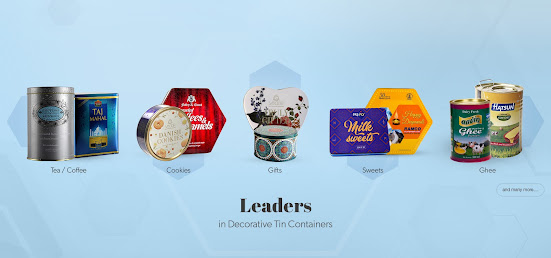
This philosophy reflects the journey of Nikita Containers, founded in 1993 in Umbergaon, Gujarat. From its beginnings as a small aluminium tube manufacturer, the company has evolved into a global supplier of high-quality metal containers serving industries such as food, confectionery, cosmetics, and custom packaging. Through eco-friendly and recyclable tin plate solutions that deliver durability, safety, and premium appeal, the organisation continues to support innovation, trust, and sustainable packaging practices across global markets.
Frequently Asked Questions
Why is shelf life important for modern brands?
Shelf life directly impacts product quality, customer satisfaction, waste reduction, and profitability. Longer-lasting products help brands maintain consistency and reduce losses.
How does packaging affect shelf life?
Packaging protects products from light, oxygen, moisture, contamination, and physical damage. Effective packaging helps maintain freshness and product integrity for longer periods.
Why is tin packaging suitable for shelf-life extension?
Tin packaging provides strong barrier protection against environmental factors that commonly cause product degradation. It also offers durability and excellent sealing performance.
Is tin plate packaging environmentally friendly?
Yes. Tin plate packaging is highly recyclable and can be recycled multiple times without losing its properties, making it a sustainable packaging option.
Which industries benefit most from tin packaging?
Industries such as food, confectionery, candles, cosmetics, tea, coffee, personal care, and speciality consumer goods frequently benefit from the protective qualities of tin packaging.

Comments
Post a Comment