Why Global Spirits Brands Are Rethinking Traditional Liquor Packaging

Introduction
Liquor tin containers are gaining attention as spirits brands look beyond traditional packaging choices. For decades, glass has dominated the liquor industry because of its premium appearance and familiarity. However, changing consumer expectations, sustainability targets, transport challenges and the growing demand for distinctive packaging are encouraging brands to explore alternatives.
Today, packaging needs to do more than hold a product. It must protect quality, support brand identity, withstand distribution and contribute to responsible resource use. For premium spirits, where presentation and product integrity are equally important, the choice of packaging can influence both commercial performance and consumer perception.
This is why more businesses are considering durable metal packaging as part of their broader packaging strategy.
Why Traditional Liquor Packaging Is Being Reconsidered
Glass remains an important material for spirits, but it can present practical challenges during handling and transportation. Its weight can increase logistics requirements, while its breakability creates additional concerns throughout storage, distribution and export.
For brands supplying multiple markets, packaging must cope with long journeys, repeated handling and changing environmental conditions. A damaged container can mean more than product loss. It can also affect customer satisfaction, retailer relationships and brand reputation.
At the same time, sustainability has moved from being a marketing preference to an important business consideration. Brands are increasingly evaluating packaging according to durability, recyclability, material efficiency and its role in a circular economy.
How Liquor Tin Containers Address Modern Packaging Needs
Tin plate offers a combination of strength, design flexibility and recyclability that makes it suitable for a variety of premium liquor packaging applications.
1. Protection During Storage and Transport
A robust metal container can provide valuable protection against impacts and handling-related damage. This becomes particularly useful for products travelling through complex domestic or international supply chains.
Liquor tin containers can also provide a strong barrier against external influences such as light. For products where protecting aroma, flavour and overall quality matters, reducing exposure to potentially damaging environmental conditions is an important consideration.
2. Stronger Packaging for Global Distribution
International shipping can involve warehouses, trucks, ports and distribution centres before a product reaches its destination. Packaging therefore needs to be designed with real-world handling in mind.
Durable tin packaging can help reduce the risk associated with dents, breakage and transit damage when compared with more fragile packaging formats. This can support more dependable distribution, particularly for premium and gift-oriented liquor products.
3. Premium Presentation Without Excessive Complexity
Modern consumers often associate premium products with thoughtful packaging. A well-designed tin can provide a distinctive surface for detailed graphics, brand colours, textures and other visual elements.
Excellent printability allows brands to create packaging that feels connected to the product inside. Seasonal collections, limited editions, gifting formats and special releases can all benefit from distinctive custom designs.
What Spirits Brands Are Looking for in Modern Packaging
The priorities of packaging buyers are becoming broader. Instead of focusing solely on appearance or unit price, procurement teams increasingly consider the complete value offered by a packaging format.
Key considerations include:
- Product protection: Packaging should help protect the product throughout storage, handling and distribution.
- Brand visibility: A printable metal surface provides opportunities for distinctive designs and strong shelf recognition.
- Durability: Robust packaging can help minimise risks associated with everyday handling and transportation.
- Recyclability: Materials that can re-enter established recycling systems can support more circular packaging strategies.
- Scalability: Suppliers should be capable of delivering consistent quality across larger production requirements.
- Customisation: Different shapes, sizes and finishes allow brands to develop packaging suited to specific products and campaigns.
These factors show why packaging decisions are increasingly being made by teams across procurement, marketing, sustainability and supply chain operations rather than by one department alone.
Sustainability Is Changing the Packaging Conversation
Sustainability is one of the strongest reasons for reassessing traditional packaging strategies. Brands are under increasing pressure to demonstrate that environmental claims are supported by practical packaging choices.
Tin plate is particularly relevant because steel-based packaging can be recovered through established recycling systems and recycled repeatedly without losing its fundamental material properties. This supports the principles of a circular economy, where valuable materials remain in use instead of becoming unnecessary waste.
For spirits brands, this creates an opportunity to connect premium packaging with environmental responsibility. A recyclable metal container does not have to look industrial or compromise the visual character of a premium product.
Customisation Can Turn Packaging Into a Brand Asset
Packaging has become an important part of how consumers experience premium products. A distinctive liquor tin can serve a practical purpose while also becoming something customers want to retain or reuse.
Custom printed liquor tin containers can support:
- Limited-edition launches: Unique artwork can distinguish seasonal or celebratory releases.
- Corporate gifting: Premium tins can enhance presentation for business and festive gifting programmes.
- Brand storytelling: Printed surfaces provide space for visual narratives, heritage details and product information.
- Retail differentiation: Distinctive shapes and graphics can help products attract attention in competitive environments.
- Long-term brand recall: Memorable packaging can remain associated with the product even after purchase.
This combination of protection and presentation is one reason metal packaging is increasingly being considered beyond conventional industrial applications.
What Should B2B Buyers Consider Before Switching?
Choosing a new packaging format requires more than comparing material prices. Buyers should assess the entire packaging programme, from specifications and printing capabilities to quality control and supply reliability.
Important questions include whether the container is suitable for the intended application, whether the supplier can maintain consistent dimensions and printing quality, and whether production volumes can scale with demand.
It is also important to consider how the packaging will perform across the actual distribution route. Export products, gift packs and premium collections may have different requirements from standard domestic products.
A reliable supplier should therefore understand both manufacturing requirements and the commercial objectives behind the packaging.
The Future of Spirits Packaging
The shift towards alternative liquor packaging does not mean traditional formats will disappear. Instead, the market is becoming more diverse. Different products require different packaging solutions, and brands are increasingly willing to explore formats that provide a better balance of protection, appearance, durability and sustainability.
Liquor tin containers are well positioned within this changing landscape because they combine several qualities that modern brands value. They can provide robust product protection, excellent opportunities for branding and a recyclable material pathway while offering a distinctive alternative to conventional packaging.
For global spirits businesses, that combination can make packaging more than a protective layer. It can become part of the product experience and a visible expression of the brand's values.
Conclusion
The rethink around traditional liquor packaging reflects a wider change in the global packaging industry. Brands now need solutions that protect products, support premium positioning, manage supply chain risks and contribute to more responsible resource use.
Liquor tin containers offer an interesting balance of these requirements. Their durability, printability and recyclability make them relevant to spirits brands seeking packaging that performs well while creating a stronger visual identity.
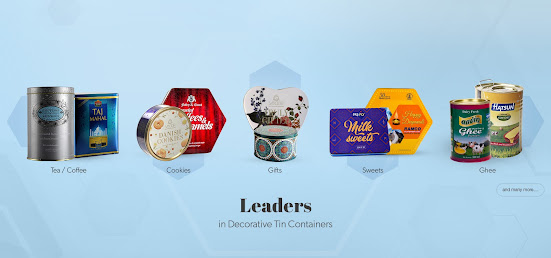
Founded in 1993 in Umbergaon, Gujarat, Nikita Containers has grown from a small aluminium tube manufacturer into a global supplier of high-quality metal containers serving food, confectionery, cosmetics and custom packaging industries. Its focus on durable, safe and recyclable tin plate solutions reflects the broader movement towards packaging that combines practical performance, premium appeal and environmental responsibility.
As spirits brands continue to rethink how products are protected and presented, the future of liquor packaging is likely to be shaped by solutions that deliver value throughout the entire packaging lifecycle.
Frequently Asked Questions(FAQs)
Are liquor tin containers suitable for premium spirits packaging?
Yes. Tin containers can be customised with high-quality printing, finishes, shapes and designs, making them suitable for premium products, gift packs, limited editions and promotional collections.
What are the benefits of liquor tin containers during transportation?
Their durable metal construction can provide protection against common handling and transit risks. This can be particularly valuable when products travel through multiple stages of a global supply chain.
Are tin containers recyclable?
Tin plate packaging is highly recyclable. Steel can be recovered and recycled repeatedly, helping valuable material remain within the resource cycle.
Can liquor tin containers be customised?
Yes. Depending on the manufacturer's capabilities, tins can be produced in different dimensions, shapes, finishes and printed designs to align with a brand's packaging requirements.
Why are spirits brands focusing more on sustainable packaging?
Sustainability expectations are influencing consumers, retailers and corporate procurement teams. Brands are therefore looking for packaging solutions that combine performance and premium presentation with responsible material use.

Comments
Post a Comment